Wondering whether AI is replacing graphic designers - or quietly making them better? It's a question I've been asked more times than I can count. Clients ask it. Friends ask it. And honestly, I've asked it of myself too. After years of working as a senior designer at WDC Brands, and actively using AI tools throughout that time, here's my take on where AI really sits in the world of graphic design, and why I think the human element matters more than ever.
The question I get most often is some version of:
Does it worry you that AI will take your job? Are you concerned clients will just use AI instead of coming to you?
I've done a lot of thinking about this and the resolution I always come back to is the same: we need to look at AI as something to help us, not as a threat. It's a vital tool in our armoury. In many ways, it always has been.
Photoshop's Content-Aware Fill
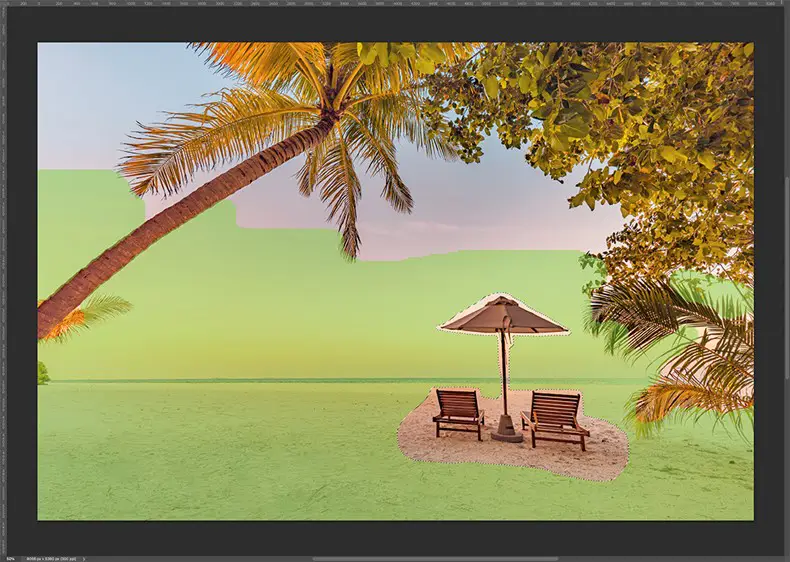
If you use Photoshop, you've almost certainly used AI without realising it. Content-Aware Fill was introduced back in CS5 in 2010, and I've been using it for over 13 years. It uses AI to intelligently blend and replace pixels, moving objects, expanding image boundaries and integrating new elements seamlessly.
A recent example:
A client came to us with a selection of landscape images to promote their new fleet of ships. I needed to reformat them by extending the sky above and sea below each vessel, to allow room for text content. Content-Aware Fill made it a quick, clean solution that saved a significant amount of time and delivered exactly what the campaign needed.


Khroma for colour palettes
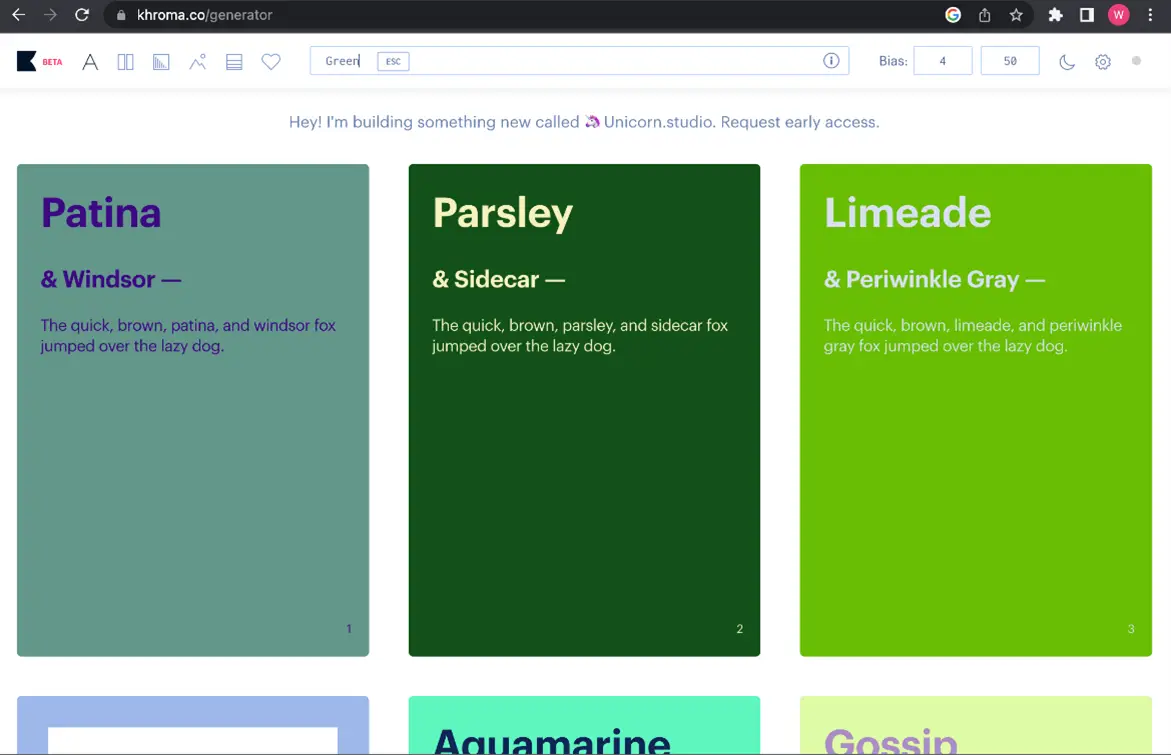
One tool I use almost constantly is Khroma, an AI-powered colour tool that's become a near-daily fixture in my workflow. When starting a new branding project, I can type in a base colour and Khroma returns a range of complementary shades, harmonious pairings, and high-contrast combinations. For colour palette development, it's been a genuine game-changer.
Adobe Firefly
I've been exploring Adobe's Firefly suite, and two features stand out for brand and identity work:
AI writing and proofing
Spell-check has come a long way from flagging typos. AI writing tools can restructure sentences, improve copy clarity, and draft full paragraphs. My experience using tools like Jasper has taught me that the quality of the output is directly tied to the quality of your input - clear, considered prompts make a real difference.
Sustainable design is something we take seriously at WDC Brands, I think AI genuinely contributes here, though perhaps not in the obvious way.
The most impactful sustainability decisions happen at the conceptual stage of a project: what format should this take? Does it need to be printed? How will it be produced? If AI can help us visualise ideas faster and iterate more efficiently at that early stage, we spend less time and energy on exploratory work and more focus on purposeful decisions.
On a day-to-day level, my workflow has already shifted significantly. I no longer print out client briefs or amendments; I use an iPad as a second screen instead. Sketchpads and notebooks have given way to digital tools. That shift reduces waste, speeds up collaboration, and makes it easier to share work with colleagues and clients in real time.
This is the part I feel most strongly about. AI tools are powerful. They are not creative directors. They are not a replacement for a designer who understands your business. From everything I've seen and tested, AI cannot:
Clients might be tempted to generate a logo through an AI tool for a fraction of the cost of working with a designer. Without someone steering that process with strategic thinking and creative judgement, there's no guarantee the result will resonate with the right people or communicate what the brand actually stands for.
Human curiosity, empathy and creativity can't be replicated. The more sophisticated AI becomes, the more those distinctly human qualities matter.
At WDC Brands, AI tools are part of how we work, woven into brand strategy, identity design, digital, and marketing projects. They make us faster, more exploratory, and more efficient. But they work because they're guided by designers who bring the strategic thinking and creative judgement that produce brands built to last. If you're a business thinking about your brand, whether you're launching something new, refreshing an existing identity, or trying to sharpen how you communicate, we'd love to talk about what's possible.
Created on
March 28, 2023
Last updated on
June 19, 2026